Attributes
In this article
Attributes
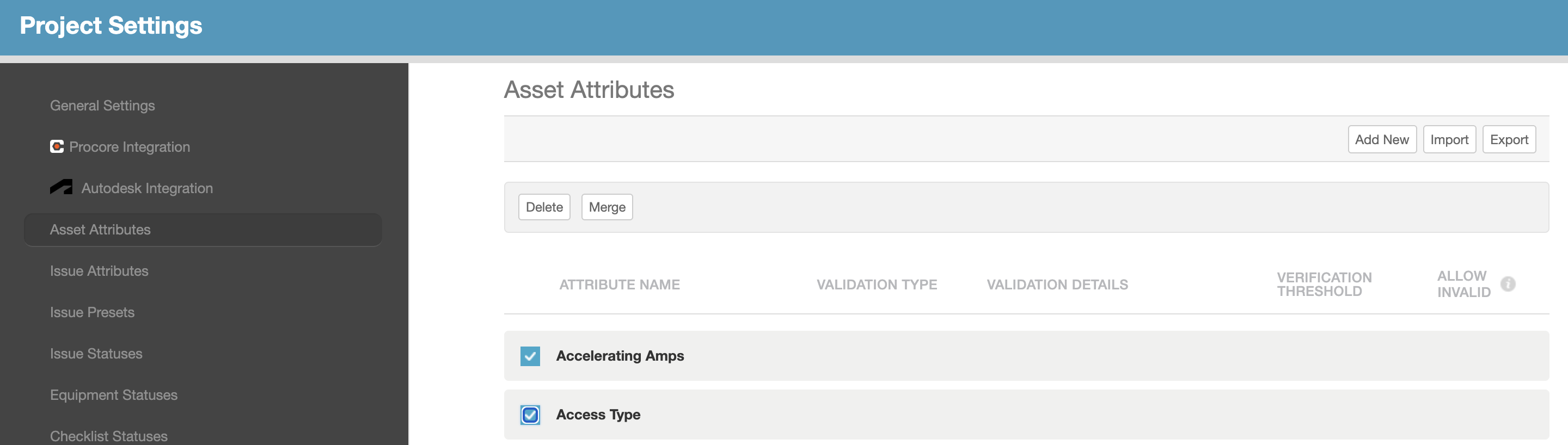
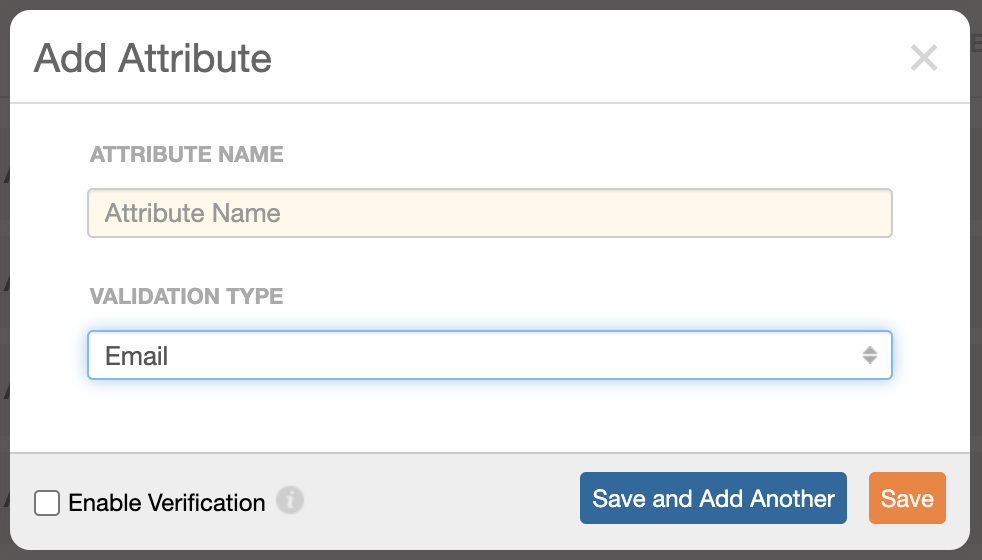
Attributes are used to record custom values for assets and equipment, and can be managed from the the Asset Attributes or Issue Attributes tabs on the Account Settings or Project Settings page. The attributes list on the Account Settings page is only used for account templates and when creating new projects. Once an attribute’s validation is set, it will be enforced everywhere that attribute is used (equipment, checklist and test lines, issues, etc.), across the web, iOS, and Android apps.
When creating or editing attributes, users may specify the type of data that is expected and define rules for what values are allowed. The following validation types are supported:
Validation Types
-
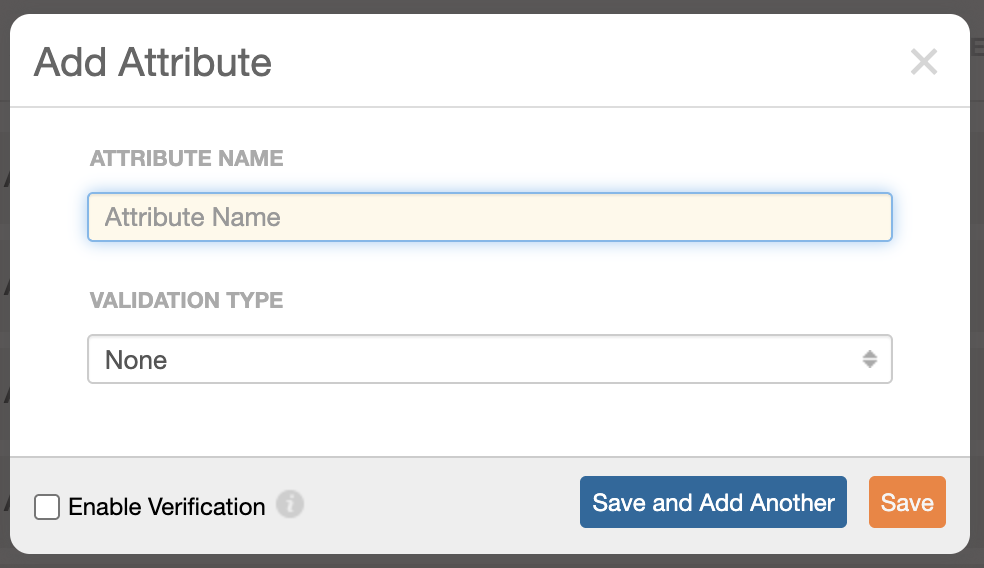
None
Standard text value with no validation.
-
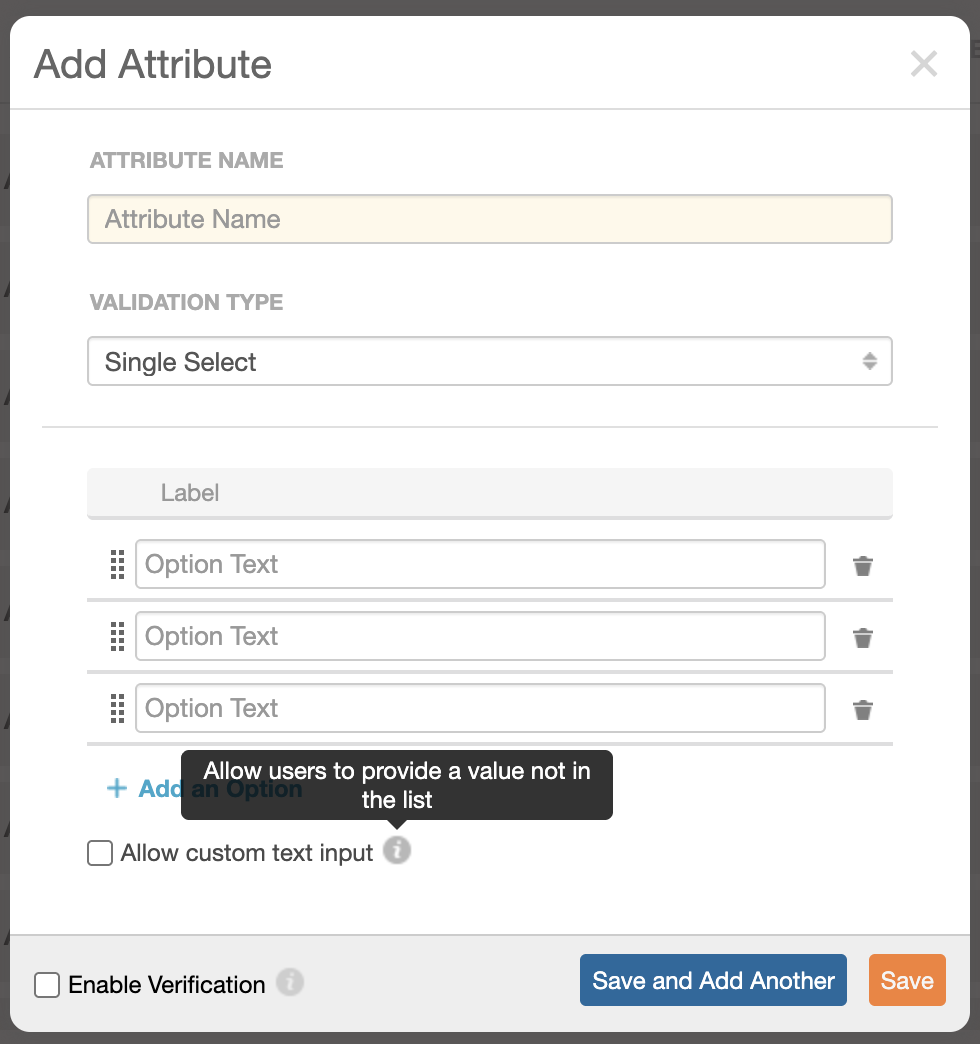
Single Select
Select a single value from predefined dropdown list. Include "Allow custom text input" option allows users to enter a value that's not in the list.
-
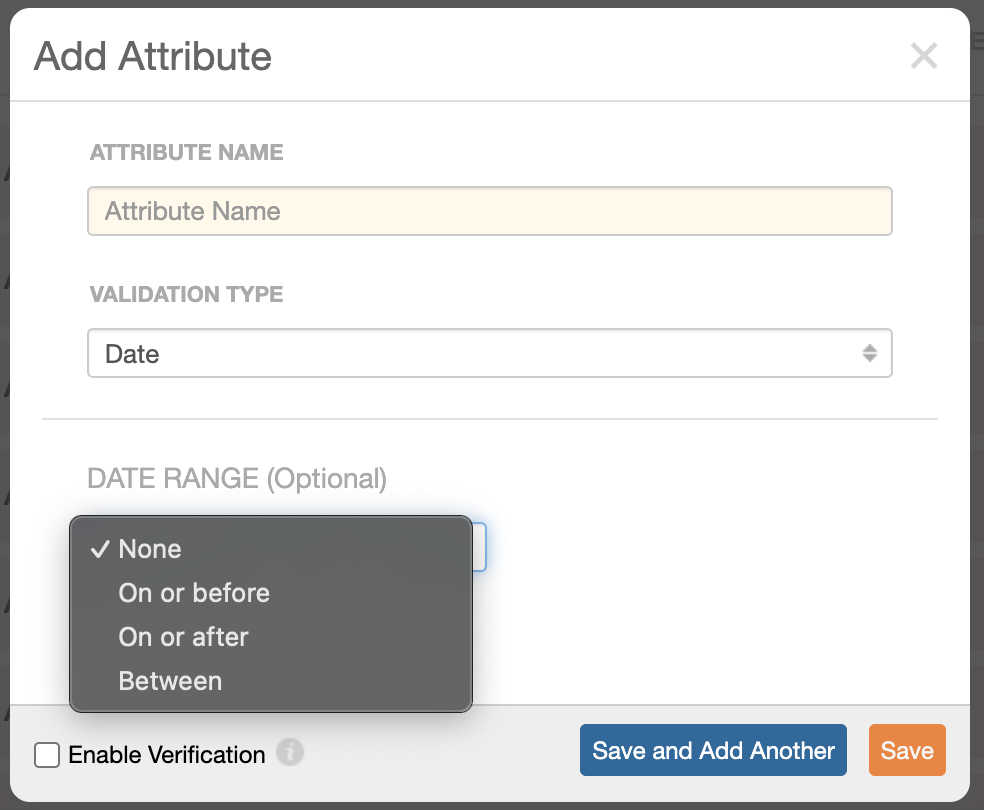
Date
Date value with an optional date range. Date ranges can be before or after a specific date, or within a specified range.
-
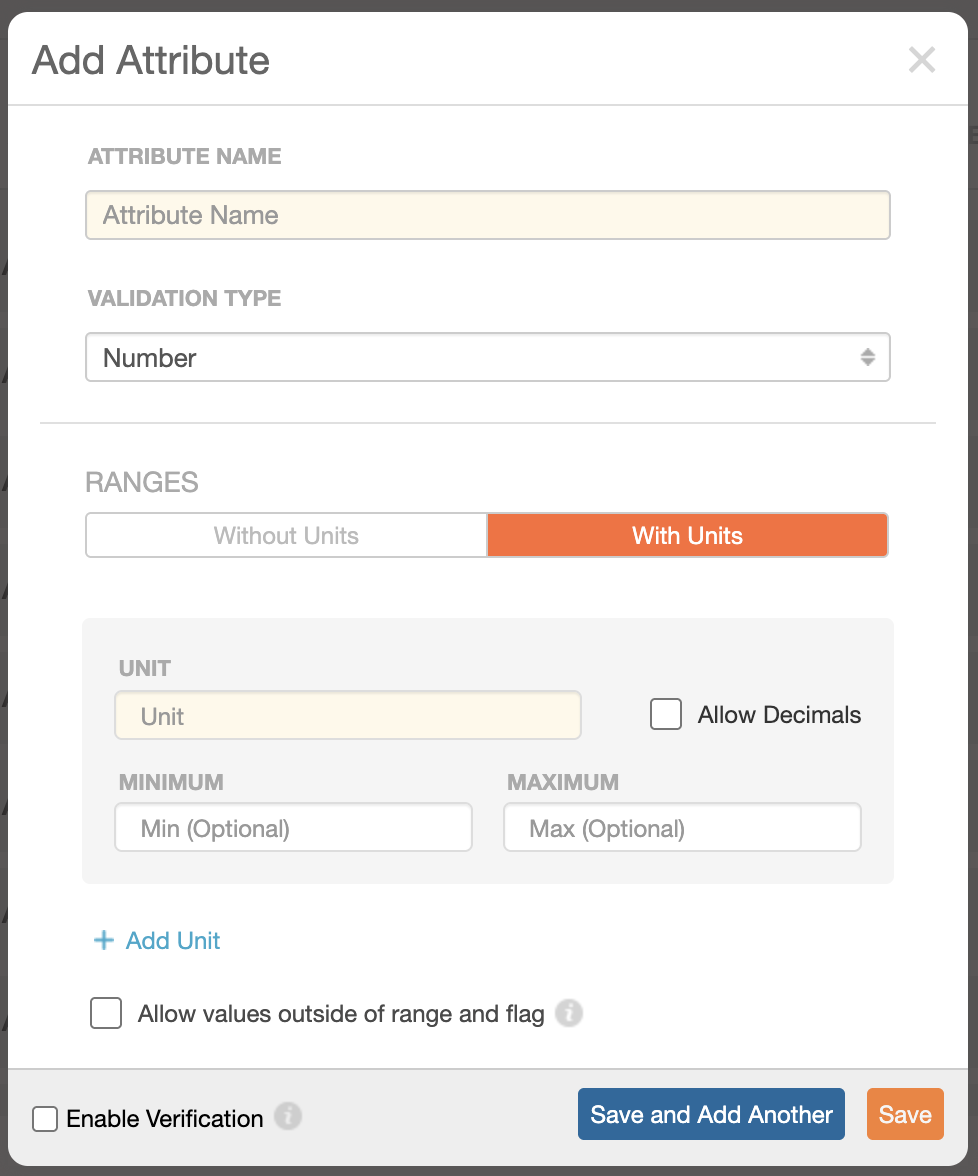
Number
Numeric value with options for an acceptable range or units.
-
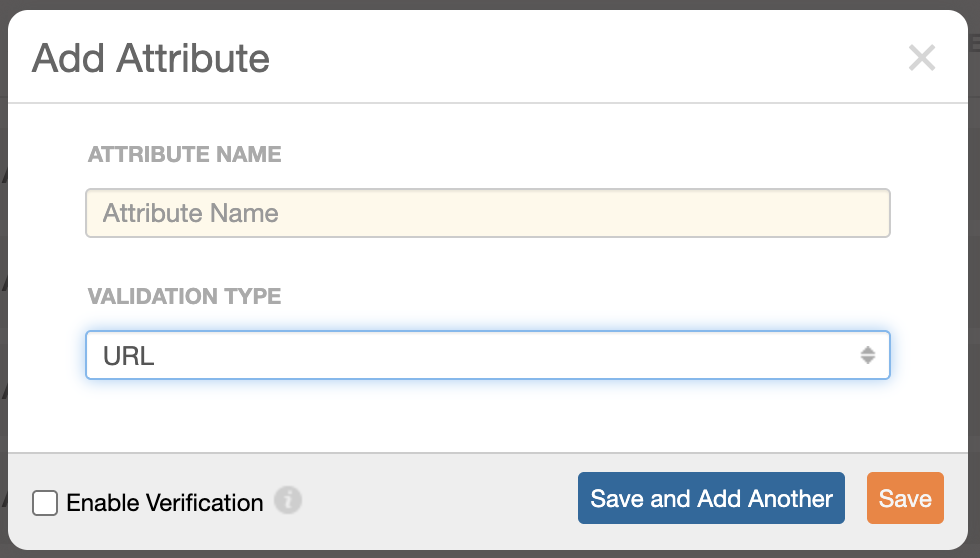
URL
URL value displayed as a hyperlink.
-
Email
Email value that requires a valid domain.
-
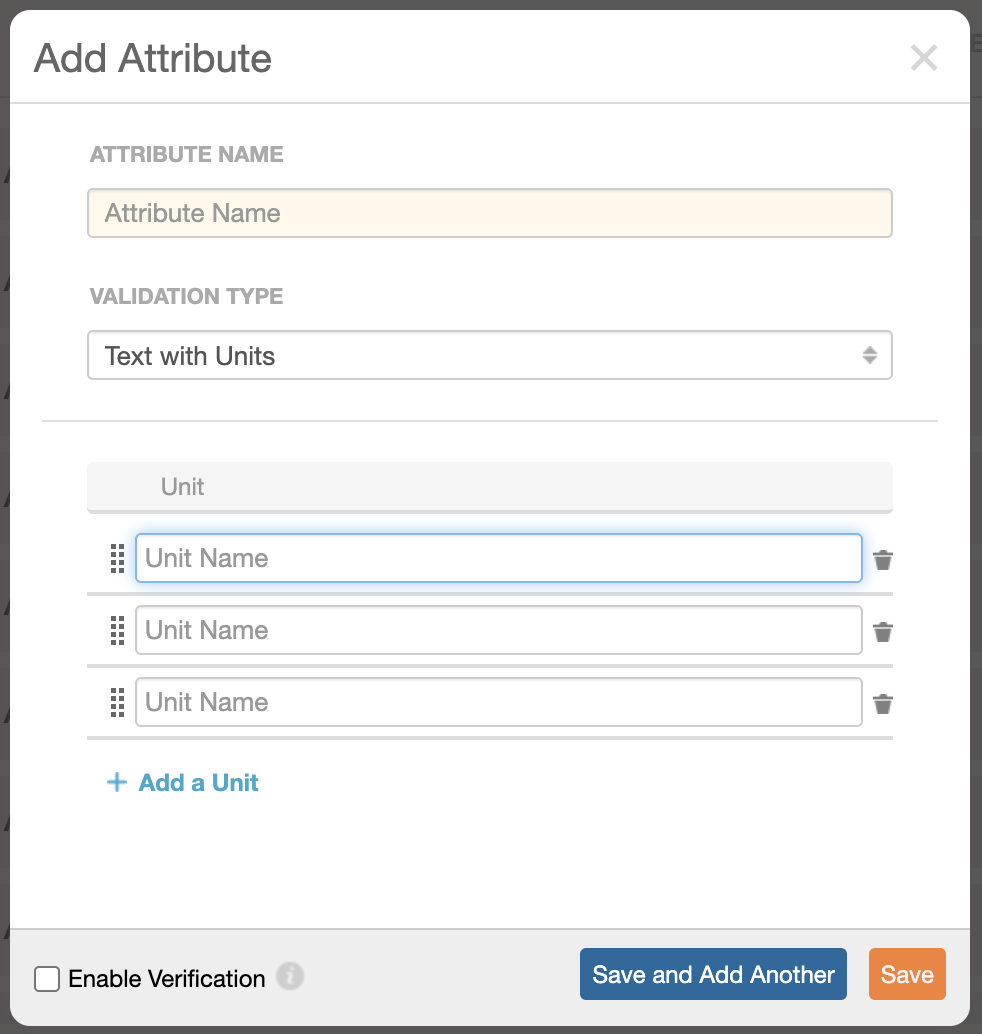
Text with Units
Standard text value with optional unit selection.






Verification
 Verification is only available for asset attributes. It uses the attribute lines of checklists and tests as its data sources and compares an attribute’s current value to the values recorded for the same attribute across multiple checklists and/or tests to determine that attribute’s verification status. When enabled, users may specify the number of matching values that are required for an attribute to be marked as "Verified".
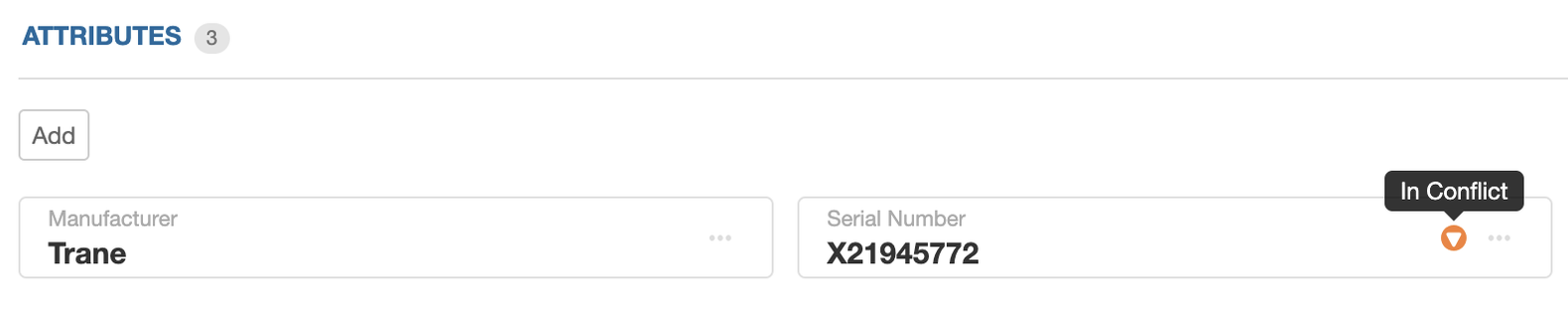
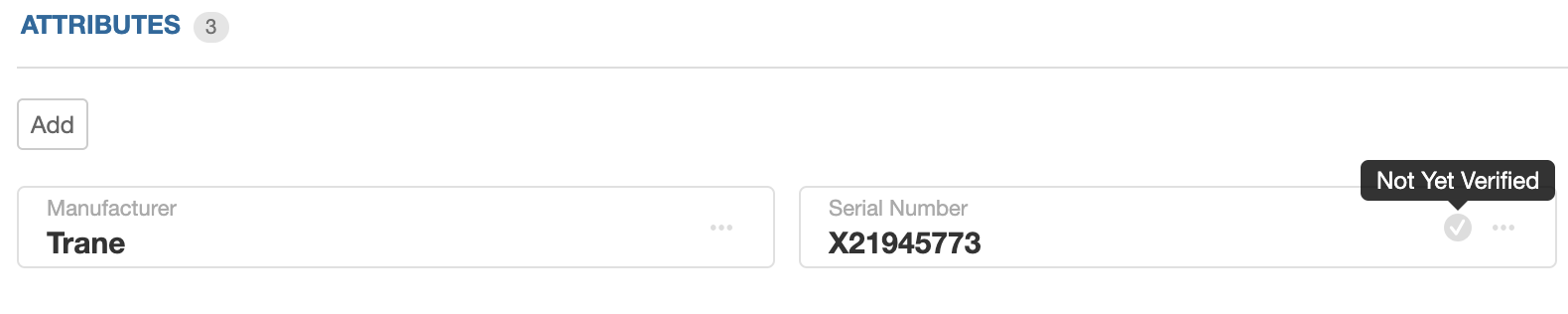
Each attribute that has verification enabled will show one of three statuses:
- Not Verified
- In Conflict
- Verified
An attribute’s verification status is shown via a small icon next to the value in the Attributes subsection.

Merge
 Attributes can be merged by selecting the attributes from the Settings page and clicking the batch action bar's Merge button. Usage of the selected attributes will be summarized at the top of the "Merge Attributes" modal.
Use the "Merge Into" dropdown to specify the "winner". The rest of the selected attributes will be removed from the settings list and existing references will be repointed to the winner.
It is possible to merge attributes with different validation rules, so an additional option is provided to determine if values are kept and flagged, or removed after re-evaluating.
Edit
 When editing an attribute's validation rules, existing values will be re-evaluated using the new criteria. In the "Edit Attribute" confirmation modal, users are prompted to choose between deleting invalid values or keeping and flagging them instead.
Import
 Attribute settings can be bulk updated via import. To update existing items, check the "Update existing..." option and map the column containing the attributes' current names to the "Match" field during the "Choose Fields" step. If an attributes settings are changed, existing values for that attribute will be re-evaluated and flagged or removed if they don't meet the new validation rules. The "Keep and flag..." option can be toggled to avoid removing pre-existing values even if they don't match the new validation type.
Example import file - cxalloytq-import-example-attributes-with-comments.xlsx
Usage

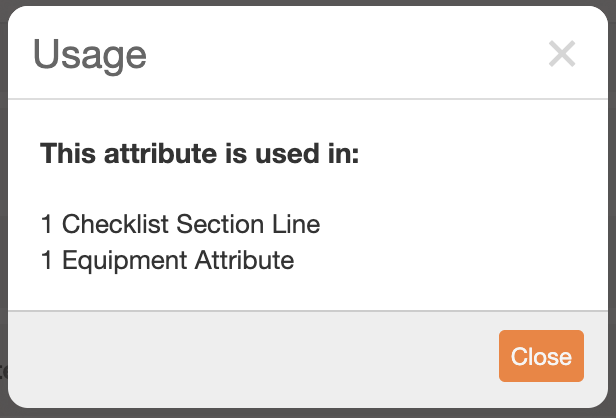
On the attribute's Settings page, hover an attribute and click the "Usage" button to view a summary count of where the attribute is used. For asset attributes, it will summarize how many assets, templates, and checklists or tests use that attribute. For issue attributes, it will summarize how many issues use the attribute.
Attribute Values
 Attribute values can be updated from the list view via import or the batch action bar, individually from the detail view's Attributes subsection, or indirectly from linked checklists or tests.
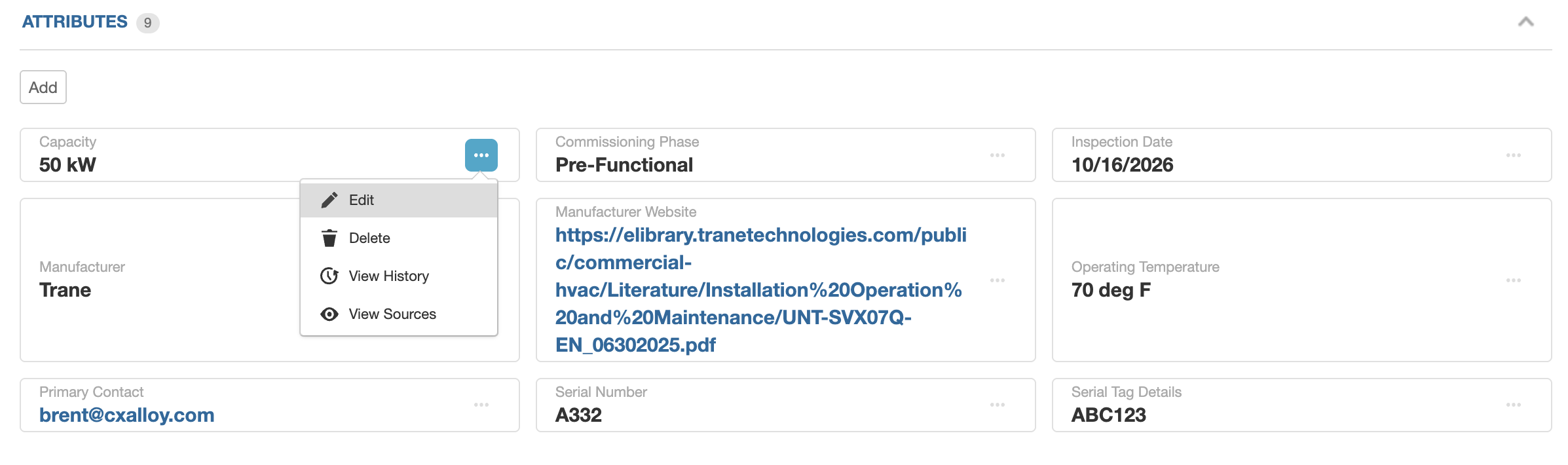
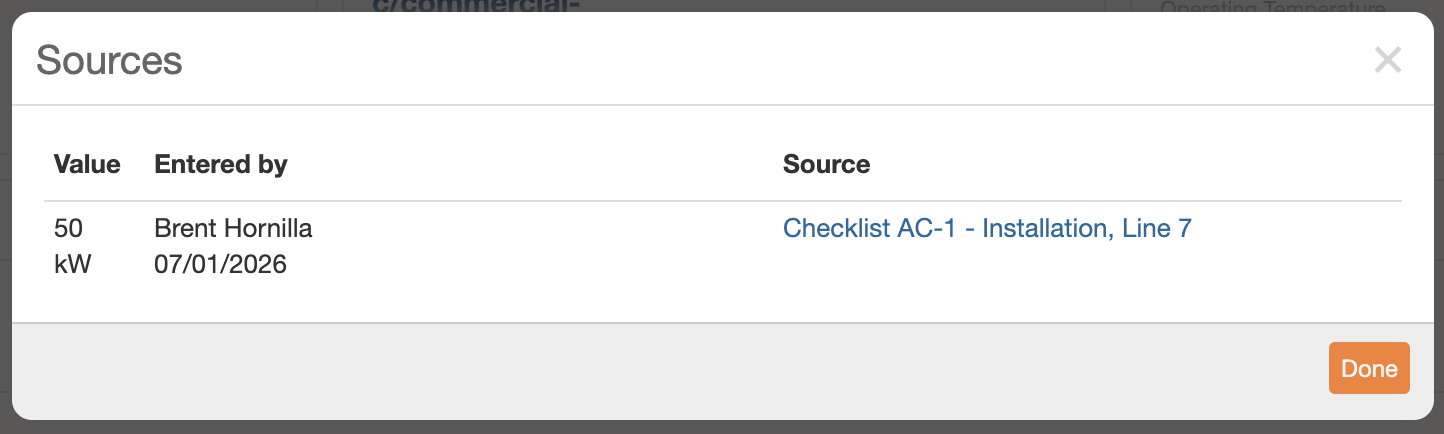
Equipment and issues have a dedicated subsection for their attribute values. Click the "..." next to an attribute value to reveal its action menu. Possible actions are "Edit", "Delete", "View History", and "View Sources". The "Sources" modal displays the values for that attribute across all of its sources, including who recorded each value, the date and time it was entered, its verification status, and a link to the source item.